SCIPIO
We dig into the forces behind nations, conflicts, and ideas, inspired by a general who turned Rome's darkest hour into dominance.
Explore the LibraryWho was Scipio?
Publius Cornelius Scipio Africanus lived from about 236 to 183 BC, and he is the Roman general who broke Hannibal and ended the Second Punic War. He came of age inside Rome's worst nightmares. As a young man he survived the slaughter at the Trebia and then at Cannae, the darkest day in the city's history, and he helped rally the few who made it out.
Then he turned the war around. Given command in Spain at roughly twenty five, he took the Carthaginian base at New Carthage in a single daring assault, broke their armies at Ilipa, carried the fight across the sea to Africa, and beat Hannibal himself at Zama in 202 BC. Rome gave him the name Africanus for it. People remember him as much for clemency and foresight as for victory, and he was never beaten in a pitched battle, not once.
A life in brief
Key victories, and the ideas behind them
Three battles that show the method. Choose one to see what happened, the tactic, and the lesson.
The fall of New Carthage
The envelopment at Ilipa
The defeat of Hannibal at Zama
Leadership and philosophy
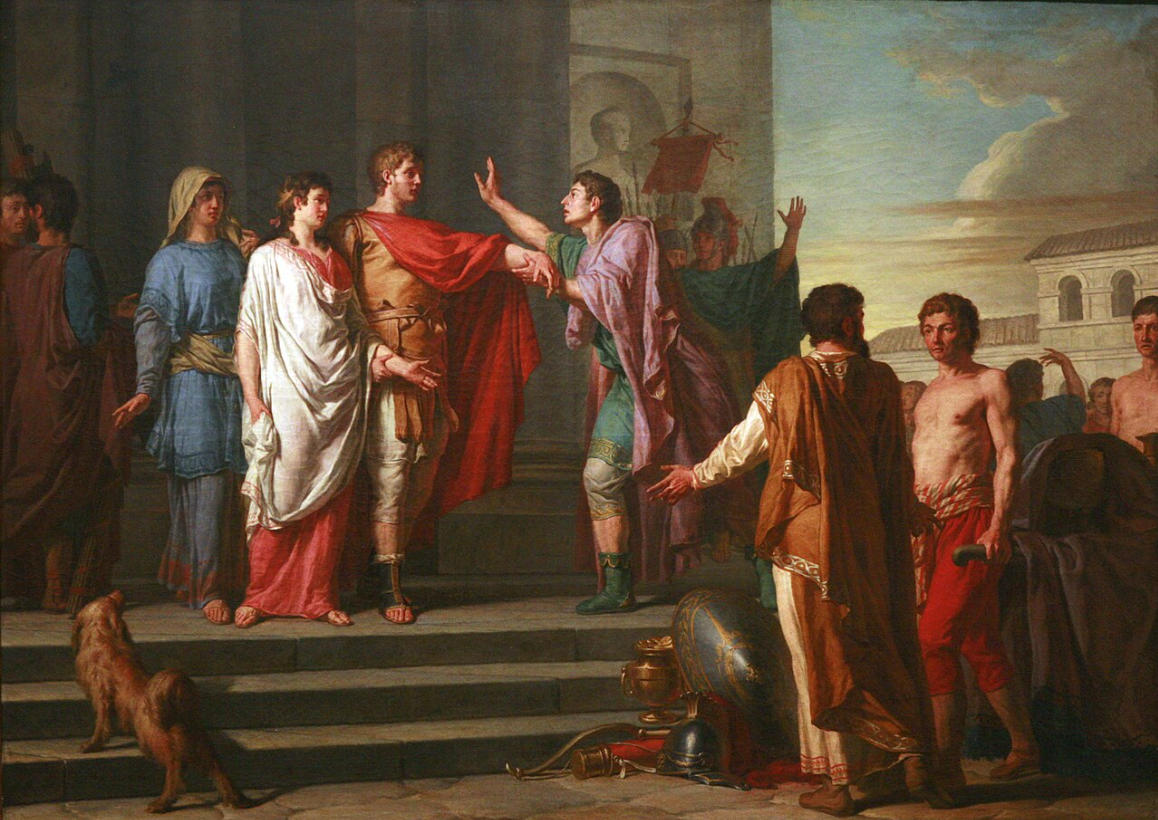
"He was never less idle than when at leisure, nor less alone than when alone."
Scipio Africanus, as recorded by Cicero
After taking New Carthage, Scipio was offered a captured noblewoman of great beauty. He sent her back untouched to the man she was promised to, and won a people over as allies in the process. For him, restraint was a strategy, not a sacrifice.
That same restraint carried into politics. After Zama he served as censor and first man of the Senate, won a second consulship, and argued for peace terms that spared Carthage instead of erasing it. The ancient accounts say he turned down the permanent honors his own supporters tried to press on him, a lifetime consulship and a dictatorship. He had saved the Republic, and he refused to become its master.
His method reads almost like a field guide to the patterns this site exists to trace. The indirect approach, taking the war to Africa to pull Hannibal back home. Alliances built on trust instead of fear. Learning from the enemy. Foresight over impulse. The same dynamics that decided Zama are still deciding the contests of empire, geopolitics, markets, and ideas today.
Just as Scipio read the patterns that saved and elevated Rome, The Scipio Files maps the hidden dynamics shaping our world right now.
Strategy, power, history, and ideas, told with verified data, built for you to explore.